-
Understanding ShadowsocksR: Recognize that ShadowsocksR is a routing protocol, primarily used within the Border Gateway Protocol (BGP) suite. It operates at the network level, often centralizing routing decisions.
-
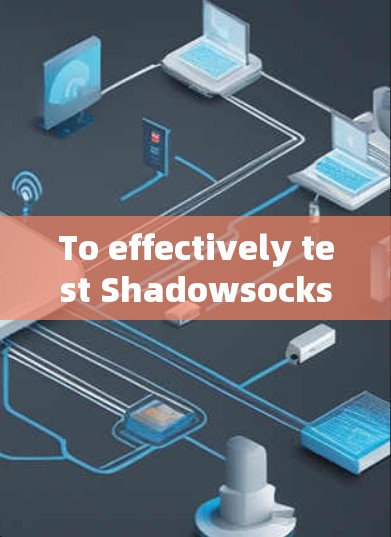
Setup the Network: Create a basic network with known nodes and connections. Ensure the network includes a source and destination node, with appropriate links and possibly other nodes for loops or complex routing.
-
Test the Routing Protocol: Send packets through the network and observe the routing responses. Use tools like NetSim or SNMP-Trace for simulation, ensuring they support BGP-like behavior for accurate testing.
-
Configure and Configure ShadowsocksR: Set up ShadowsocksR with appropriate configuration parameters. This includes route IDs, neighbor counting, and convergence algorithms. Test under both distance-vector and link-state routing scenarios.
-
Evaluate Routing Behavior: Check how packets are routed, especially around loops. Ensure nodes correctly respond and update their routing tables. Use logging tools to track responses and routing updates.
-
Test Under Various Conditions: Simulate different network conditions, such as varying link speeds or packet sizes, to assess performance and robustness.
-
Verify Key Features: Ensure unique route IDs are assigned, convergence on a stable routing table, and efficient routing with proper memory usage.
-
Consider Use Cases and Differences: Understand how ShadowsocksR differs from BGP, especially in handling multiple routes and dynamic networks.
-
Utilize Resources: Refer to official documentation, tutorials, and guides for guidance and best practices.
By following these steps, you can comprehensively test ShadowsocksR, gaining insights into its performance and functionality within a network environment.