V2R relays, or V2Ray relays, are advanced射线网络 (ray) devices that integrate with V2X (V2X-ray) infrastructure to enhance data processing and transmission. Here's a structured overview of their functionality, applications, and considerations:
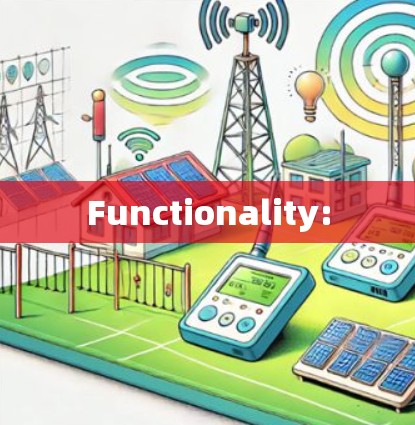
- Core Role: V2R relays amplify and process raw data from V2X devices, which use high-frequency electromagnetic waves for communication.
- Data Processing: They don't transmit data over long distances but instead capture and amplify the signals, making them more efficient for battery-powered devices.
- Real-Time Applications: They are used for tasks like motion detection, temperature monitoring, and lighting control, offering real-time data processing.
Applications:
- Smart Home Systems: Enhance security and monitoring with real-time data from motion and temperature sensors.
- Industrial Settings: Monitor parameters like temperature and pressure in industrial environments without relying on wireless communication.
- Industrial Automation: Provide secure and reliable data transmission in industrial settings, crucial for safety and efficiency.
Challenges:
- Interference Sensitivity: May be affected by environmental noise, requiring careful calibration.
- Data Coordination: Need to ensure accurate transmission from V2X devices to V2R relays to avoid errors.
- Scalability: More complex to deploy as the network expands, potentially increasing costs and complexity.
Scalability and Future Outlook:
- Integration: May integrate with more complex射线网络 (ray) technologies in the future, expanding their applications.
- Efficiency: V2R relays offer potential for high-performance, low-power solutions, making them suitable for emerging technologies like smart cities.
Conclusion:
V2R relays are pivotal in enhancing射线网络 (ray) applications, offering real-time data processing in diverse environments. Their potential enhances efficiency and security, though challenges in interference and coordination must be addressed for optimal performance.